



When Baily Hack BSW’19 returned to the University of Regina to pursue graduate work in 2024, her decision was based as much on the Faculty of Graduate Studies and Research’s reputation as for the way it held the potential to support her lifestyle. “I knew I wanted to stay in Regina as I have a family, including two children,” she says. “I had the option to apply at other universities’ online programs. However, I decided I wanted to pursue an in-person program at the U of R as it would give me the opportunity to become involved with the university and ultimately create connections and networks that I would miss in an online program.”
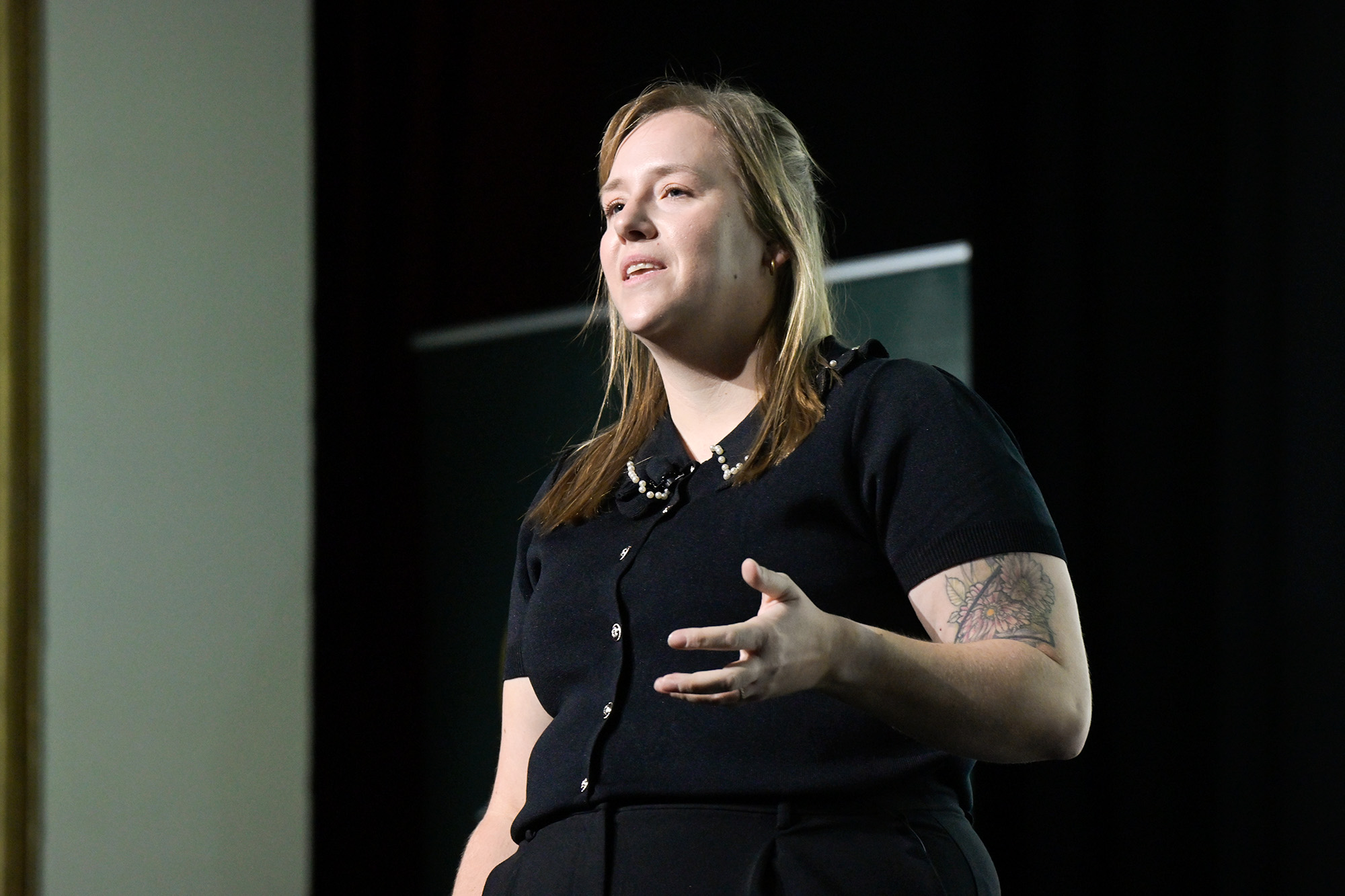
This past March, she joined seven other graduate students at Darke Hall as part of the Three-Minute Thesis Competition where she presented her research in a talk titled “Journey to Anti-Racist Education”.
“When I learned of the competition it seemed like a great opportunity; first to get my research out there; but also connect with other faculties and network,” she says.
Hack won that competition and moved on to represent the University of Regina in the Western regional competition in Victoria BC in May where she won the People’s Choice Award. On November 5 of this year, Hack joined some of the U of R’s most esteemed researchers for A Taste of Research, an annual public event that invites the community to hear about some of the exciting research being done at the University.
U of R alum Greg Beatty BA’80 chats with Baily about her choice to pursue grad studies at her alma mater, how we welcome new Canadians and their families, and what she has planned next.
What prompted you to research approaches to anti-racism in the classroom?
I was supervisor of a newcomer’s support program at Rooted Connections, so I have experience working with newcomer families in Regina and saw a lot of barriers that they faced. One was within the education system, and social isolation and struggles to communicate when English isn’t your first language. It really interested me to figure out how we can create a more anti-racist education system, and what that would look like.
There was a labour disruption in Saskatchewan recently related to classroom complexity. Is this one component of that?
For sure. There’s no blame on teachers as I think they are doing an amazing job. But if you are trying to teach a classroom of thirty children, and five or six don’t speak English, how do you navigate that?
What process did you go through to develop a fuller understanding of this area?
I took a really important class in my master’s program on anti-racist social work. That prompted me to think about anti-racist work in other areas of society, and how marginalized communities might be affected.
I did talk to some pre-service teachers, plus teachers who are taking their master’s in Education, so that helped me understand some of these needs. I’ve met teachers who are really passionate about creating an anti-racist education system. I’ve also met teachers who are really frustrated. It’s not that they don’t want the change, they just feel burned out at the lack of resources and are unsure of how to handle these new complexities in the classroom.
There is a concept around “social determinants” of health or well-being. Getting a good education when you are young would seem to be one of them.
Exactly. That came up in interviews I did with newcomer parents — just the difficulties families had accessing education, healthcare and other systems
Might a child sometimes serve as an interpreter for the parents?
That happens a lot as children usually pick up English quicker because they are younger. When parents are brought in for a discussion with the school, for example, and an interpreter isn’t provided, children can step in.
What other help do you think our school system needs?
Based on what my research is showing, the biggest issue is resources. If a child doesn’t speak English and is suddenly put in a classroom with a teacher and students who only speak English, that can be difficult. So there is a lack of ESL (English as a Second Language) teachers
Teachers receive a lot of education around Indigenous students — which is extremely important. But our classrooms involve more than that.
Language challenges aside, are there other issues such as cultural sensitivity?
You need to add that awareness to the classroom. One thing my study shows is that a lot of adolescents are facing social isolation, and a lot of that struggle comes from interacting with peers and making friends.
It is maybe asking a lot of individual teachers to be knowledgeable in a wide range of cultures. Is one answer having more people in the classroom, or at least the school system, with a broader cultural background?
Right now, we do have settlement support workers in the school system. But a recent study shows that since COVID a lot of these workers are having difficulty getting into schools. So, they are not welcomed in the same way. Better community engagement can be an answer.
Canada is a very individualistic society, and many of these cultures are community-based. More engagement with parents or grandparents can help. There are many schools with Indigenous students who bring elders into schools, so we could be doing that — or having cultural days, or bringing in social workers. Social workers can be a big part of this because they are well-trained in cultural competency and anti-racist perspectives.
Until recently anyway, a lot of governments have talked about how Indigenous youth, or newcomers, were key to growing our population and economy. But if you don’t give those families the tools to succeed, are you setting them up for failure?
You can see this in the research. There can be this “school to prison pipeline” where children who don’t get their needs met sometimes end up in prison. If students aren’t having those assessments done, aren’t having their needs met, will they end up costing society more in the future? What does that mean for them, and society?
Are there ever tensions within a newcomer community? The stereotype is that parents can have exaggerated expectations for their children. But school involves more than just academic achievement, where students are maturing as individuals.
I think that is a huge area where social work could help. How do we have these discussions with parents about children’s mental health, and navigate relationships within families? But we need more social workers within the school system.
What’s next for you?
I’m just doing the writing portion of my thesis now and hope to graduate in the spring – and then I plan to pursue a PhD program in social work focusing on the experiences of women with adult diagnoses ADHD using a critical feminist framework.
Thinking about your next chapter?
Graduate studies aren’t just about returning to school—they’re about reimagining what comes next.
Learn more about Grad Studies at the U of R.

Recognized for a career of trauma-informed care
Read More

Back and better than ever
Read More
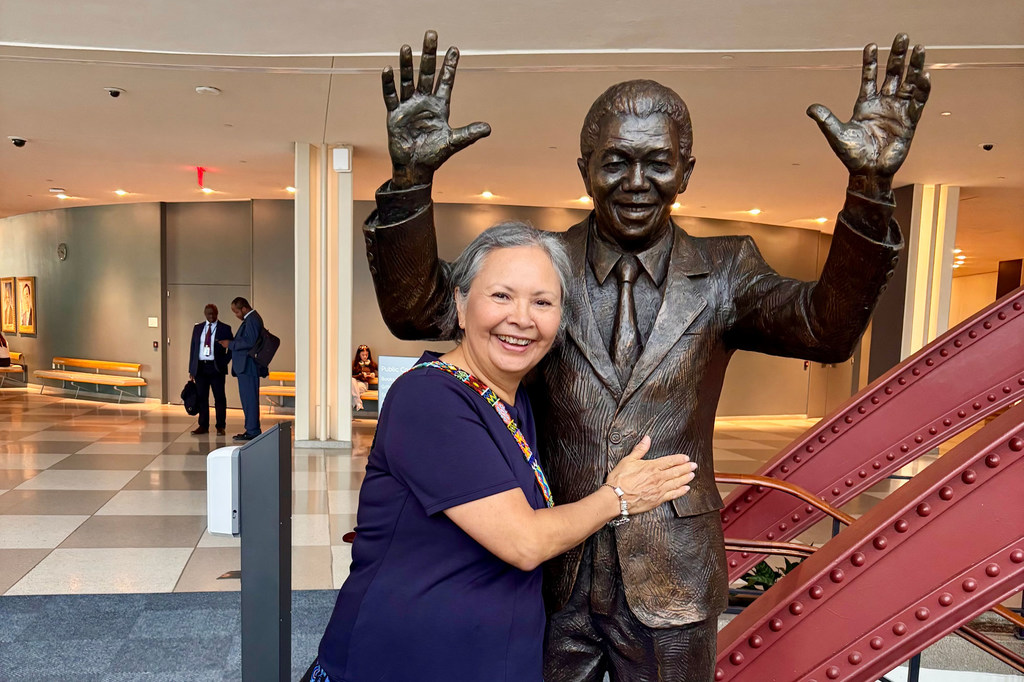 Brenda Reynolds Cert. Indian Social Work '86, BISW '87, recipient of the 2025 United Nations Nelson Rolihlahla Mandela Prize, poses with a statue of the late South African President at UN Headquarters in New York. Photo: UN News/Paulina Greer
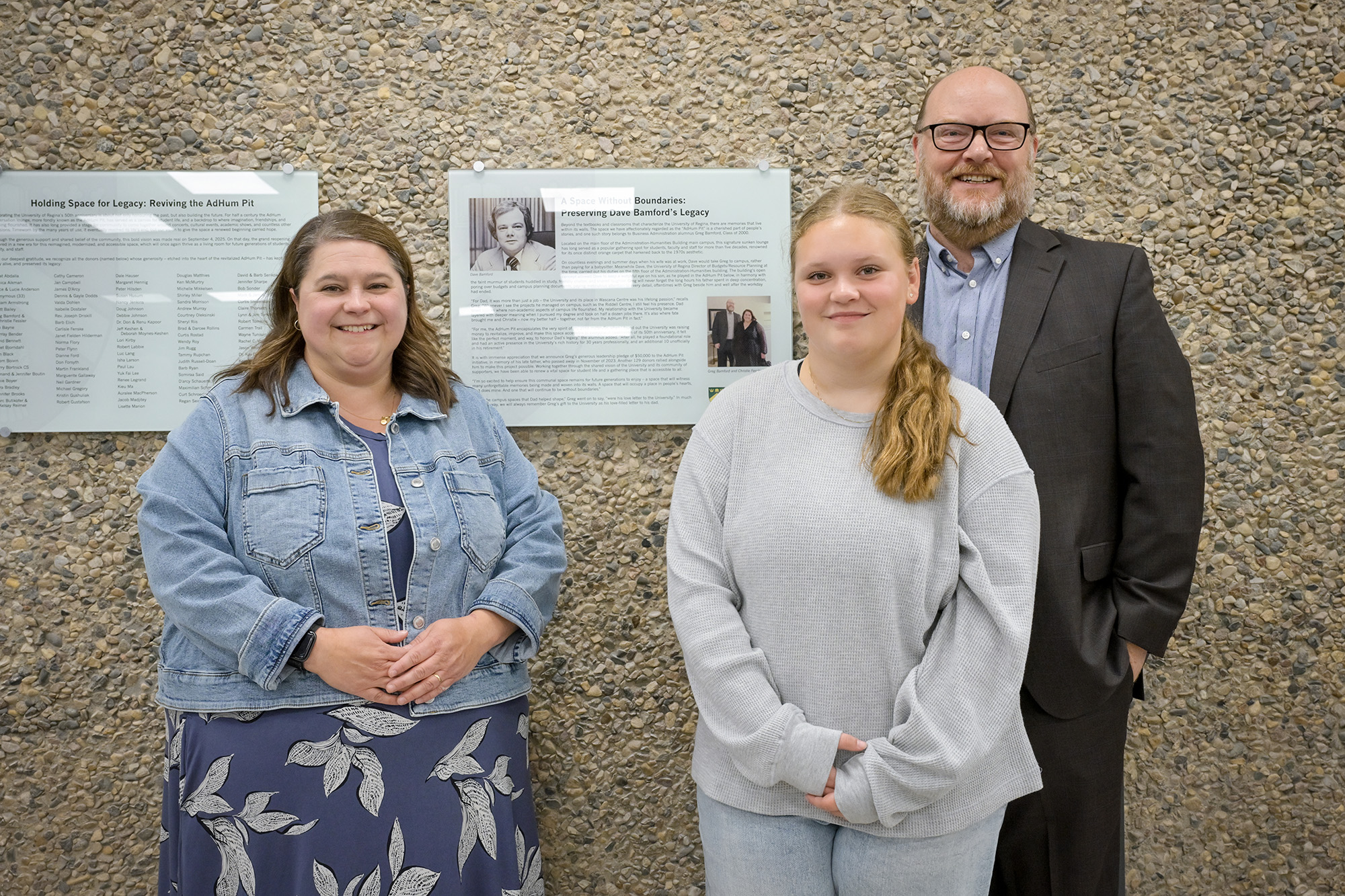 Greg Bamford BAdmin'00 and family.
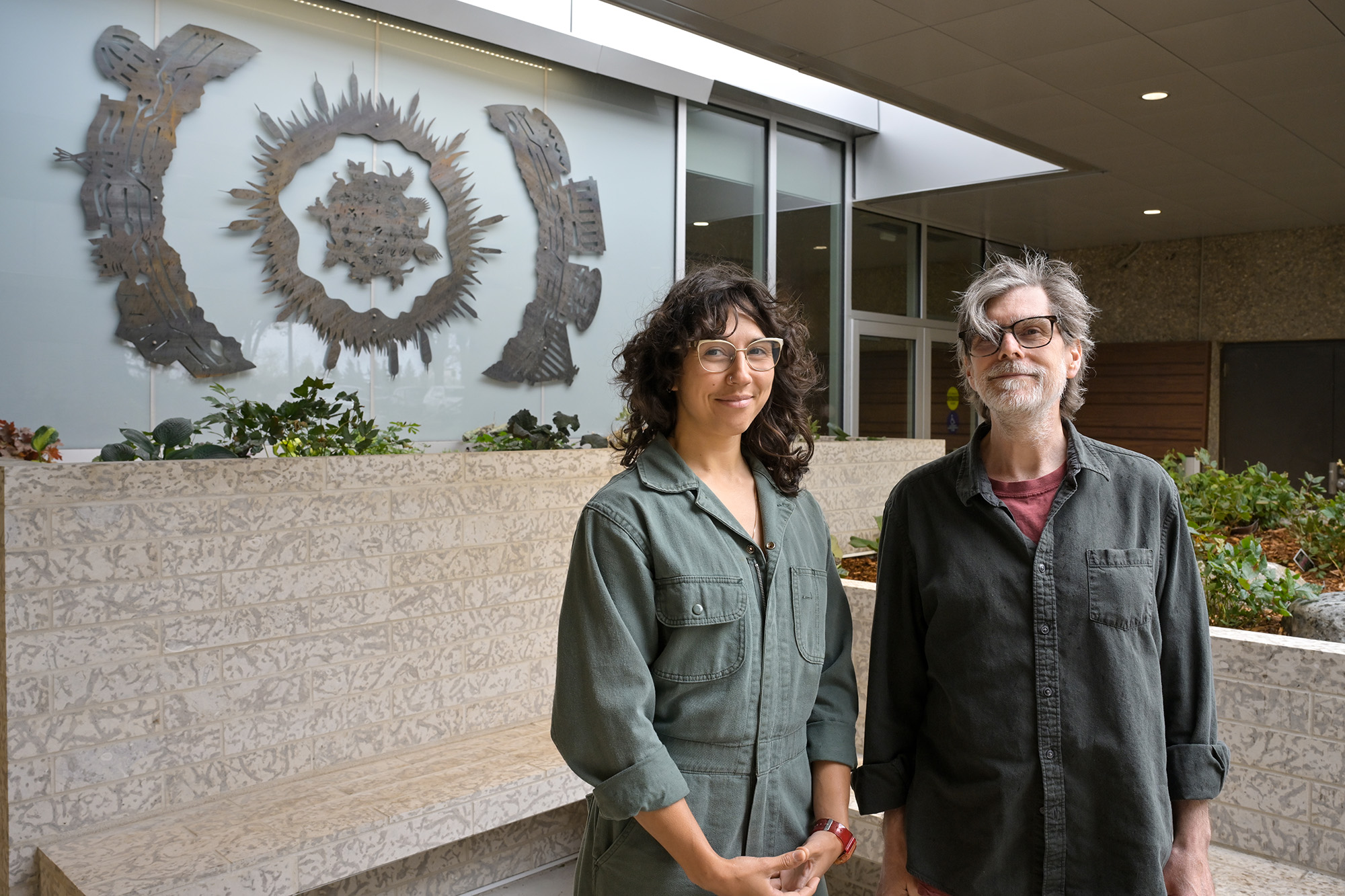 Grace Boyd and Sean Whalley MFA'01 from the Faculty of Media, Art, and Performance.
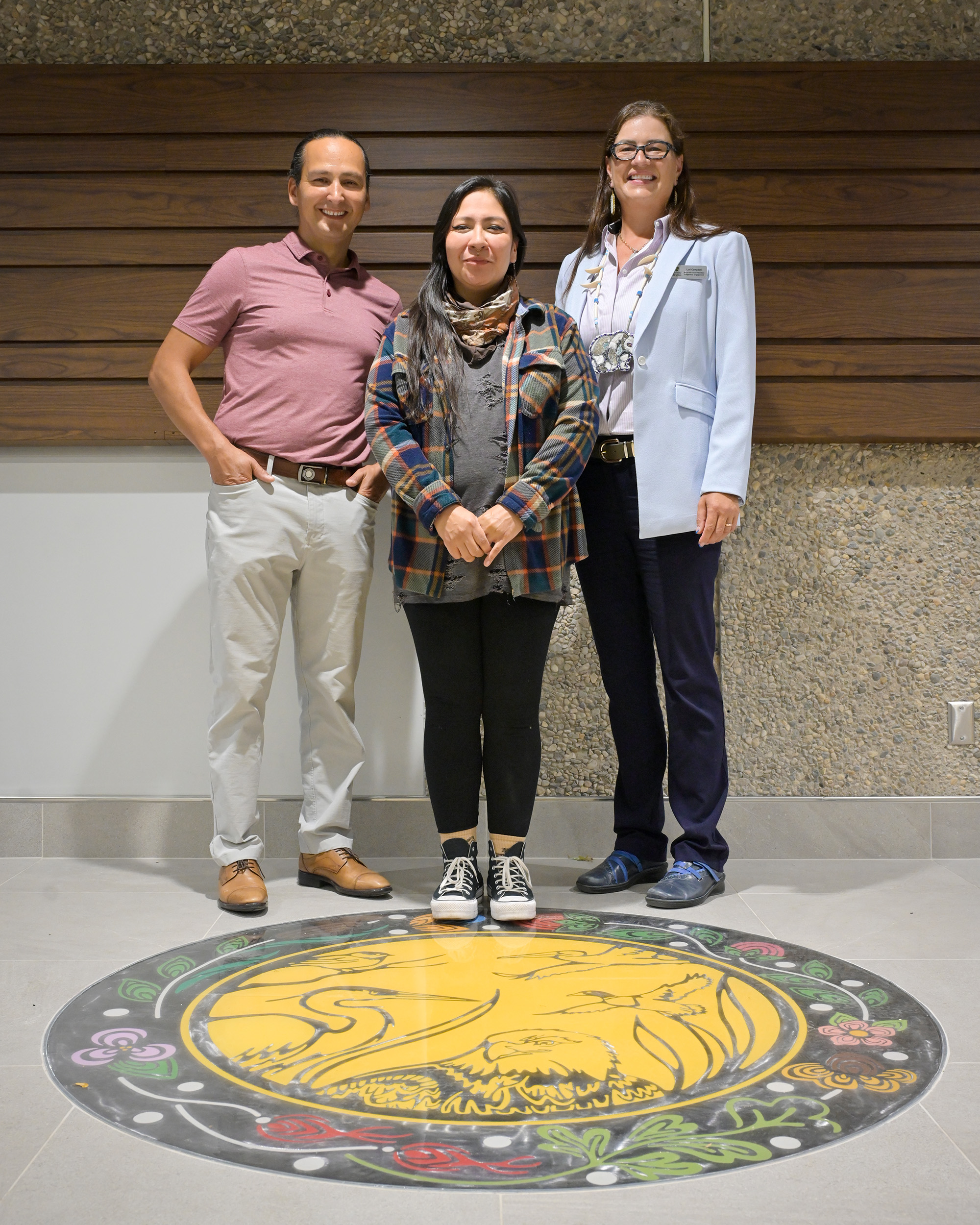 Cadmus Delorme BAdmin'13, MPA'16, University Chancellor; Larissa Kitchemonia BFA'19, artist; and Lori Campbell BA'95, BA'05, MAEd'16, Associate Vice-President, Indigenous Engagement
 [post_title] => Back and better than ever
[post_excerpt] =>
[post_status] => publish
[comment_status] => open
[ping_status] => open
[post_password] =>
[post_name] => back-and-better-than-ever
[to_ping] =>
[pinged] =>
[post_modified] => 2025-11-28 09:45:00
[post_modified_gmt] => 2025-11-28 15:45:00
[post_content_filtered] =>
[post_parent] => 0
[guid] => https://www.degreesmagazine.ca/?p=9686
[menu_order] => 0
[post_type] => post
[post_mime_type] =>
[comment_count] => 0
[filter] => raw
)
[post_title] => Back and better than ever
[post_excerpt] =>
[post_status] => publish
[comment_status] => open
[ping_status] => open
[post_password] =>
[post_name] => back-and-better-than-ever
[to_ping] =>
[pinged] =>
[post_modified] => 2025-11-28 09:45:00
[post_modified_gmt] => 2025-11-28 15:45:00
[post_content_filtered] =>
[post_parent] => 0
[guid] => https://www.degreesmagazine.ca/?p=9686
[menu_order] => 0
[post_type] => post
[post_mime_type] =>
[comment_count] => 0
[filter] => raw
)